Union Budget FY 2026–27 Highlights: Key Updates & Major Announcements
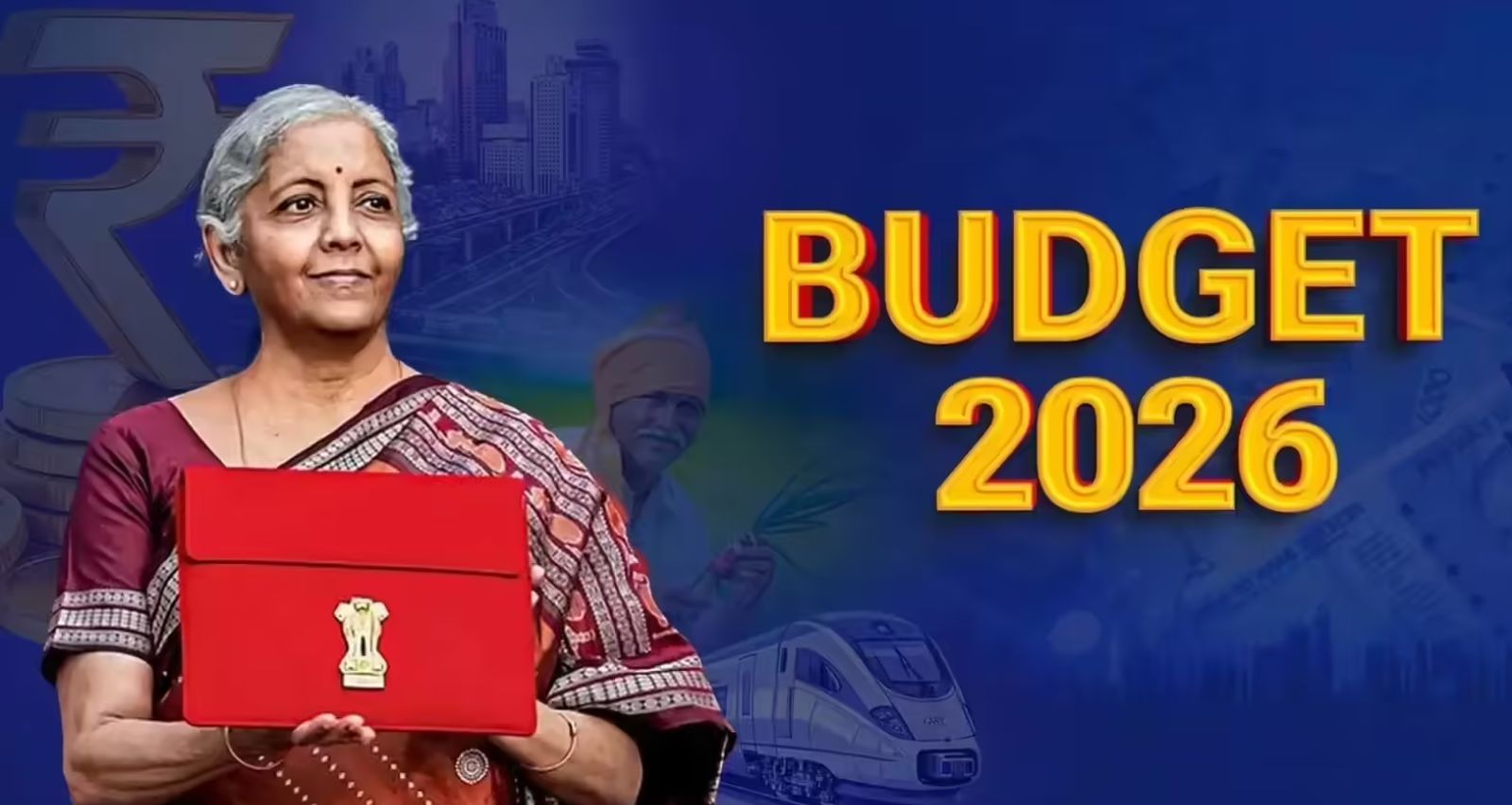
Union Budget FY 2026–27: Overview & Government Vision
The Union Budget FY 2026–27 presents the government’s roadmap to strengthen India’s economy while supporting citizens. It focuses on sustainable growth, ease of doing business, large-scale infrastructure development, and inclusive social welfare to ensure balanced progress across all sections of society.
Economic Growth
Promoting economic expansion and encouraging local manufacturing to generate employment and enhance productivity.
Fiscal Discipline
Maintaining prudent government spending to ensure fiscal stability and long-term economic sustainability.
Tax Simplification
Simplifying tax structures and compliance to make it easier for businesses, startups, and entrepreneurs.
Social Infrastructure
Strengthening healthcare, education, skill development, and employment initiatives for inclusive growth.
Key Budget Highlights & Major Announcements for FY 2026–27
The Union Budget FY 2026–27 focuses on accelerating economic growth, improving ease of living, strengthening infrastructure, simplifying taxation, supporting MSMEs, and promoting inclusive development through education, healthcare, and women-centric initiatives.
Infrastructure Push
Higher capital expenditure for roads, railways, waterways, and urban development to boost jobs and connectivity.
Tax & GST Reforms
Simplified Income Tax rules and GST rationalization to reduce compliance burden and paperwork.
MSME & Startup Growth
Improved credit access, incentives, and policy support to encourage entrepreneurship and innovation.
Social Welfare Focus
Strong focus on women, education, healthcare, and skill development for inclusive growth.
Sector-wise Snapshot
Income Tax Changes & Reliefs Announced in Budget 2026–27
Income tax reforms remain a key focus of Budget 2026–27 to create a simple and taxpayer-friendly system.
GST, Customs Duty & Indirect Tax Updates in Budget 2026–27
In Union Budget 2026–27, the government has focused on making the indirect tax system simpler, stable, and business-friendly. Several steps have been taken to make GST compliance easier by strengthening technology-based systems and reducing manual checks.
The budget also focuses on reducing Input Tax Credit (ITC) related issues through clearer rules and faster dispute resolution. Customs duty rationalisation supports domestic manufacturing and “Make in India”, while export-import procedures are simplified to reduce delays and compliance costs.
| Tax Area | What’s New in Budget 2026–27 | Benefit to Taxpayers |
|---|---|---|
| GST Compliance | Simplified return filing and system-based monitoring | Easier compliance, less confusion |
| Input Tax Credit | Clearer ITC rules and fewer disputes | Faster credit, reduced litigation |
| Customs Duty | Rationalised duties to support domestic manufacturing | Boost to Make in India |
| Exports & Imports | Simplified documentation and faster clearance | Lower costs, smoother trade |
| Indirect Taxes | Stable policies with increased automation | Reduced compliance burden |
Business, MSME & Startup-Related Budget Updates
Sector-Wise Budget Allocation Highlights (Infrastructure, Health, Education, Defence)
New Government Schemes, Incentives & Policy Reforms
In addition, the government has introduced policy reforms for the manufacturing and services sectors to attract investment, increase productivity, and enhance competitiveness. Regulatory improvements have been made to simplify processes and improve the Ease of Doing Business, making it easier for startups and established businesses to operate smoothly. These reforms are expected to drive long-term economic growth, generate jobs, and strengthen India’s position as a hub for innovation and enterprise.
Women Entrepreneurs Support
Programs providing financial assistance, skill-building opportunities, and employment support for women entrepreneurs.
Inclusive growth & empowermentDigital Economy & Innovation
Encouraging businesses to adopt new technologies, innovate, and expand efficiently to strengthen India’s digital economy.
Tech adoption & productivityManufacturing & Services Reforms
Policy reforms to attract investment, increase productivity, and enhance competitiveness in manufacturing and services sectors.
Boost to industrial growthRegulatory & Ease of Doing Business
Simplified processes and regulatory improvements make it easier for startups and businesses to operate smoothly.
Faster approvals & smooth operationsJob Creation & Long-Term Growth
Reforms and initiatives are expected to generate employment, drive long-term economic growth, and strengthen India’s position as a hub for innovation and enterprise.
Sustainable economic developmentImpact of Union Budget 2026–27
Salaried Individuals
The Union Budget 2026–27 brings several measures to make life easier for salaried taxpayers. The tax filing process has been simplified, making it faster and more straightforward. Clearer rules and a stable tax structure reduce confusion and uncertainty, helping individuals plan their finances better. Certain reliefs and procedural reforms also aim to minimize unnecessary notices, ensuring a smoother compliance experience.
Businesses & MSMEs
The budget provides policy stability and financial support to help businesses and MSMEs grow. Improved access to credit, funding, and government-backed schemes will make it easier for startups and small businesses to expand, adopt new technologies, and create jobs. Regulatory reforms are designed to reduce compliance burdens, improve ease of doing business, and boost domestic manufacturing, supporting long-term growth.
Investors
The budget encourages investment by focusing on infrastructure-led growth and key economic sectors. A stable economic outlook, combined with policy clarity and incentives, gives investors confidence to put money into India’s markets. These measures open up opportunities in sectors like infrastructure, technology, and manufacturing, making India an attractive destination for both domestic and foreign investors.
Compliance, Tax Filing & Regulatory Changes After Budget 2026
Updated tax filing procedures have been simplified for faster and smoother processing.
Faceless assessments reduce manual intervention and ensure transparency.
Follow government-notified forms and timelines for smooth compliance.
Regularly check government notifications to stay updated with the latest rules.
Maintain proper records and supporting documents to avoid disputes and penalties.
Follow advance tax payment schedules and deadlines closely to stay compliant.
Review changes in tax deductions, exemptions, and rebates.
Stay informed about GST and indirect tax updates for businesses and MSMEs.
Use digital platforms for filing and communication to save time and reduce errors.
Consult tax professionals to understand new procedures and remain fully compliant.
Important Dates & Implementation Timeline of Budget 2026–27
Most key changes announced in the Union Budget 2026–27 will come into effect from the start of the new financial year — 1 April 2026. The most significant among these is the introduction of the Income Tax Act, 2025, which replaces the old 1961 tax law to simplify rules and reduce disputes. This new tax law will be implemented from 1 April 2026, and updated tax forms and procedures will be notified soon after so taxpayers have time to adjust.
In addition to direct tax changes, other updates such as GST reforms, revised compliance processes, and extended timelines for tax return filing will be rolled out through the financial year 2026–27 as official notifications are issued. For example, return filing deadlines are being staggered — with deadlines like 31 July for ITR‑1 & ITR‑2 and 31 August for business returns (non‑audit) — while the window for revising returns is extended up to 31 March (with a nominal fee), giving taxpayers more flexibility.
Some government schemes, regulatory changes, and specific reforms will come into force “as notified” by relevant ministries or departments throughout the year. It’s important for individuals, businesses, and tax professionals to regularly check official notifications or circulars so they don’t miss any deadlines or procedural updates.
| Particular | Effective Time |
|---|---|
| Income Tax changes (new Act) | From 1 April 2026 |
| ITR filing & revised deadlines | 1 April 2026 – 31 March 2027 (FY 2026–27) |
| GST updates | During FY 2026–27 (as notified) |
| Revised compliance processes | As notified through the year |
| New government schemes | As notified by authorities |